
FHA Loans
It's easy to understand why many people looking for a new home are turning to FHA insured loan programs. Because FHA Loans are insured by the Federal Housing Administration, homebuyers have an easier time qualifying for a mortgage. Those who typically benefit most by an FHA loan are first-time home buyers and those who have less than perfect credit.
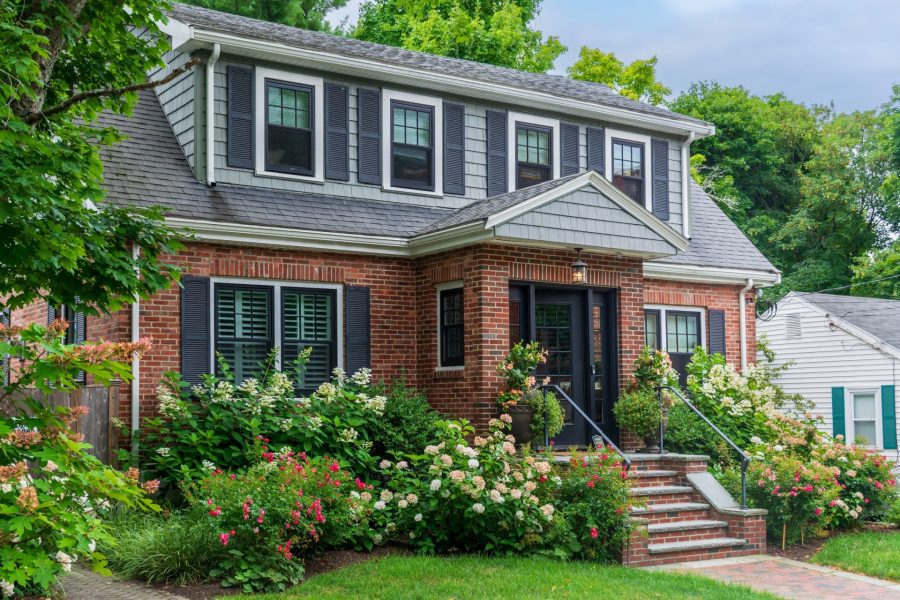
How FHA Loans Work
This a government-backed mortgage insured by the Federal Housing Administration. FHA home loans allow lower minimum credit scores and lower down payments compared to many conventional loans. FHA loans come in 15-year and 30-year terms with fixed interest rates. Borrowers must pay FHA mortgage insurance, which is designed to protect the lender from a loss if the borrower defaults. Mortgage insurance is required on most loans when borrowers put down less than 20 percent.
FHA Streamline Refinance: Allows a refinance of a current FHA mortgage on your primary residence where you may be able to lower your monthly mortgage payments- in some instances, even if you owe more than the value of the home! It is quick and simple because: No appraisal is required, no income verification is required, the credit requirements are simplified!
FHA 203(K) Standard & Limited Renovation: This is a perfect loan program if you want to finance a home that requires renovations or repairs and wrap the remodeling or repair costs into your mortgage. You can finance the following: corrections of deferred maintenance, remodel a kitchen or bathroom, create an open floor plan, foundation repairs, room additions, updates to old plumbing or septic, and repair of driveways or sidewalks. Standard is not capped at $35,000 of repairs but does require a HUD consultant to sign off on the project. Limited is capped at $35,000 of repairs but does NOT require a HUD consultant to sign off on project.
FHA Reverse Mortgage: Allows borrowers aged 62 or older to purchase a home or convert equity in their home into income or a line of credit.
FHA Good Neighbor Next Door: Discounts of up to 50% with as little as $100 down payment for HUD-owned properties. Exclusively for law enforcement officers, firefighters, EMT’s and pre-kindergarten to Grade 12 teachers.
FHA HUD REO: $100 down payment in select area with HUD approval. Repair escrow of up to $10,000 is available. Must be a HUD owned property.
All FHA loans require the borrower to pay two mortgage insurance premiums:
- Upfront mortgage insurance premium: 1.75 percent of the loan amount, paid when the borrower gets the loan. The premium can be rolled into the financed loan amount.
- Annual mortgage insurance premium: 0.45 percent to .85 percent, depending on the loan term (15 years vs. 30 years), the loan amount and the initial loan-to-value ratio, or LTV. This premium amount is divided by 12 and paid monthly.
- FICO score of 500 to 579 with 10 percent down, or a FICO score of 580 or higher with 3.5 percent down.
- Have verifiable employment history for the last two years.
- Have verifiable income through pay stubs, federal tax returns and bank statements.
- Use the loan to finance a primary residence.
- Ensure the property is appraised by an FHA-approved appraiser and meets HUD guidelines.
FHA Benefits
Easier to Qualify
Government backing makes approval more likely
Low Down Payment
Only 3.5% down required, gifts accepted
Poor Credit OK
Lower credit scores can still qualify
Better Rates
Government backing provides competitive rates
FHA Loan Common Questions
FHA stands for the Federal Housing Administration. It was created in 1934 to help Americans get into homes.
A FHA insured mortgage is easy to qualify for, can be obtained with less than perfect credit, costs less and requires a smaller down-payment. Usually people refinance to save money, either by obtaining a lower interest rate or by reducing the term of the loan. Refinancing is also a way to convert an adjustable loan to a fixed loan or to consolidate debts. The decision to refinance can be difficult, since there are several reasons to refinance. However, if you are looking to save money, try this calculation: Calculate the total cost of the refinance Calculate the monthly savingsDivide the total cost of the refinance (#1) by the monthly savings (#2). This is the "break even" time. If you own the house longer than this, you will save money by refinancing. Since refinancing is a complex topic, consult a mortgage professional.
The recommended debt-to-income ratio for a FHA loan is 30%.
Yes, however be sure to check the pre-payment section of your contract before signing.
No, not all FHA loans are automatically assumable; while FHA loans are typically assumable, the buyer must still qualify with the lender, and the specific mortgage documents and lender approval determine if an assumption is possible. FHA loans are generally free from due-on-sale clauses, a key factor allowing for assumption.
Yes, in fact FHA mortgages often require you to carry mortgage insurance for longer than most conventional loans.
Yes, however you might be required to fix certain problems in the home before you can get the full loan. Speak with us today for details on this.
Looking for an FHA Loan?
FHA insured mortgages are some of the best kinds of mortgages available because they can help more people into the home buying market. Let our FHA loan specialists help you understand any new changes to the program and create a customized solution that works best for you and your family.